Discover how a handheld laser welder improves welding speed, precision, and ease of operation. Learn its advantages, applications, and how to choose the right portable laser welding machine for your business.
Laser welding technology has evolved rapidly in recent years, and one of the most significant innovations is the soldador láser manual. Once considered expensive and complex, laser welding is now more accessible thanks to compact, user-friendly systems designed for flexibility and efficiency.
Whether you're running a sheet metal workshop, a fabrication plant, or a repair service, understanding the benefits and limitations of handheld laser welding can help you make smarter equipment decisions.
What Is a Handheld Laser Welder?
A soldador láser manual is a portable laser welding machine that uses a high-energy laser beam to fuse metal materials. Unlike traditional welding systems, the operator manually controls the welding head, allowing for greater flexibility and ease of use.
Most modern systems are based on fiber laser technology, offering:
Stable beam quality
High energy efficiency
Low maintenance
Compact design
Compared to bulky automated laser setups, handheld laser welding machines are lighter, more versatile, and easier to integrate into existing workflows.
Key Advantages of Handheld Laser Welding
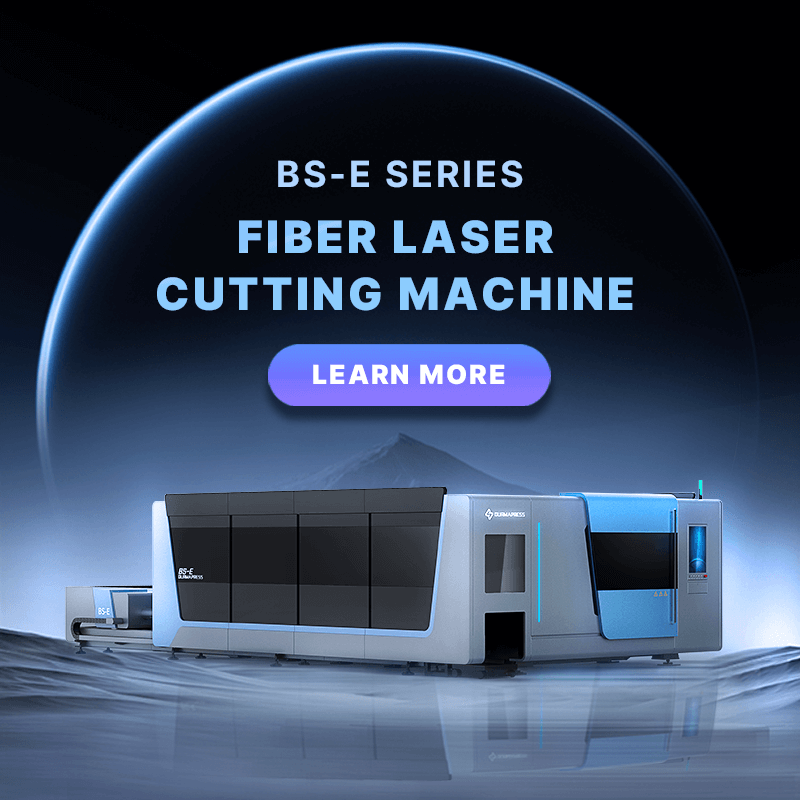
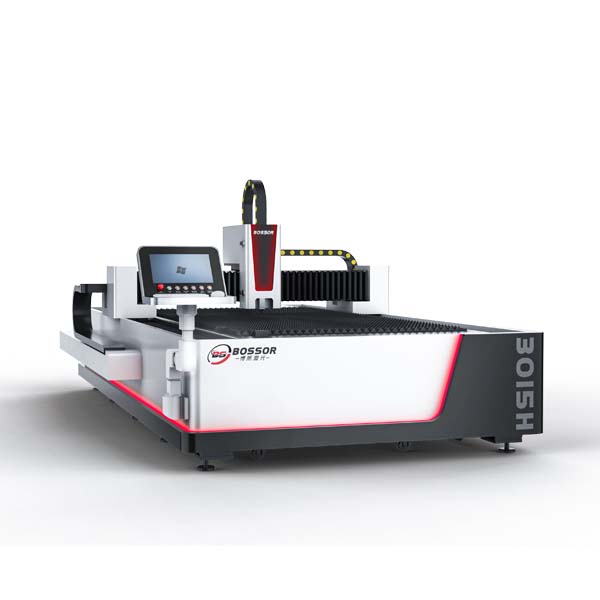
For manufacturers already using máquinas de corte por láser, adding a handheld laser welder creates a highly efficient metal processing workflow.
1. High Welding Speed
Laser welding is significantly faster than traditional methods like TIG welding. The concentrated laser beam delivers high energy density, enabling rapid melting and solidification.
Result: Higher productivity and shorter cycle times.
2. Minimal Heat Affected Zone (HAZ)
Traditional welding methods introduce large amounts of heat, which can lead to:
Material distortion
Warping
Surface discoloration
A handheld laser welder generates a narrow heat affected zone, reducing thermal damage.
Result: Better dimensional stability and cleaner welds.
3. Easy Operation
Handheld laser welding is often easier to learn than TIG welding. Operators typically experience:
Faster training time
More forgiving welding process
Reduced dependency on highly skilled welders
Result: Lower labor costs and easier workforce management.
4. Clean & Aesthetic Weld Seams
Laser welds are:
Smooth
Consistent
Minimal spatter
Often require little post-processing
Result: Reduced grinding and polishing work.
Handheld Laser Welder vs Traditional Welding
Feature
Handheld Laser Welder
TIG Welding
MIG Welding
Welding Speed
Very High
Low
Medium
Heat Input
Low
High
Medium
Distortion
Minimal
Higher
Moderate
Facilidad de uso
Easy
Skill-intensive
Moderate
Weld Appearance
Excellent
Excellent
Good
Post-processing
Minimal
Often required
Often required
Conclusion: Laser welding offers a strong balance between speed, quality, and usability.
Typical Handheld Laser Welding Applications
Handheld laser welders are widely used in:
Stainless Steel Fabrication
Cabinets
Kitchen equipment
Decorative panels
Carbon Steel Components
Frames
Structural parts
Enclosures
Aluminum Welding
Lightweight assemblies
Automotive parts
Sheet Metal Industry
Thin metal joints
Precision weld seams
Repair & Maintenance
Mold repair
Small part restoration
Their flexibility makes them ideal for small-batch production and custom jobs.
Laser Welder vs TIG: Which One Should You Choose?
Many buyers compare laser welder vs TIG when upgrading equipment.
Choose Handheld Laser Welder if:
✔ You need higher welding speed ✔ You want minimal distortion ✔ Aesthetic weld quality is critical ✔ Labor skill availability is limited
Choose TIG Welding if:
✔ Budget is very tight ✔ Welding extremely thick materials ✔ Laser safety infrastructure is unavailable
How to Choose the Right Handheld Laser Welder
1. Laser Power Selection
Common power options:
1000W → Thin sheet metal
1500W → General-purpose welding
2000W+ → Thicker materials & faster speed
Match power with espesor del material.
2. Material Compatibility
Ensure the machine supports:
Stainless steel
Carbon steel
Aluminum
Galvanized sheet (if required)
3. Cooling System
Options:
Air cooling (compact, lighter duty)
Water cooling (stable, heavy-duty use)
4. Safety Features
Laser systems require:
Protective eyewear
Safety interlocks
Shielding measures
Never overlook safety compliance.
5. Maintenance & Consumables
Consider:
Lens protection
Nozzle replacement
Service support
Final Thoughts
A handheld laser welder is a powerful upgrade for businesses seeking: