Compare servo-electric and hydraulic CNC punching machines in terms of speed, energy efficiency, cost, and applications. Learn which CNC turret punching machine is right for your factory.
Choosing the right CNC punch press machine is a critical decision for any metal fabrication factory. With rising energy costs, increasing demand for precision, and growing competition, manufacturers are paying closer attention to how their punching equipment impacts productivity and operating expenses.
Today, the market is dominated by two main technologies: servo-electric CNC punching machines and hydraulic CNC punching machines. While both are widely used in CNC turret punching applications, their working principles, performance characteristics, and ideal use cases differ significantly.In this guide, we compare servo-electric and hydraulic systems in detail to help you decide which punch press is best for your factory.
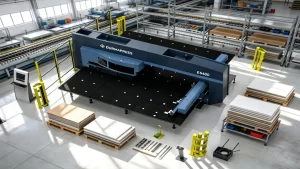
A CNC turret punching machine is a metal fabrication punching machine used to punch, form, and mark sheet metal with high precision. It features a rotating turret with multiple turret punches, enabling fast tool changes and flexible production.
Compared with traditional punch presses, CNC turret punching machines offer higher automation, consistent accuracy, and efficient steel turret punching for a wide range of industrial applications.
How Servo-Electric CNC Punch Press Machines Work
A servo electric punch press uses servo motors to directly drive the punching ram. Instead of relying on hydraulic oil and pumps, the system converts electrical energy into precise linear motion.
Key Characteristics of Servo-Electric CNC Punching
High energy efficiency
Instant start and stop with no idle power loss
Extremely precise stroke control
Low noise and vibration
Minimal maintenance requirements
Because energy is consumed only during punching, servo-electric machines are often considered the most energy efficient CNC punch press solution available today.
How Hydraulic CNC Punching Machines Operate
A hydraulic punching machine uses hydraulic cylinders powered by oil pressure to generate punching force. This technology has been used for decades and remains popular due to its reliability and strong force output.
Key Characteristics of Hydraulic Punch Press Machines
High and stable punching force
Excellent performance for thick materials
Proven technology with wide market acceptance
Suitable for heavy-duty production
A hydraulic punch press machine is often preferred when consistent tonnage and durability are required, especially in demanding cnc turret punch for steel applications.
Servo-Electric vs. Hydraulic CNC Punching: Key Differences
Comparison Item
Servo-Electric CNC Punching
Hydraulic CNC Punching
Drive System
Servo motor driven
Hydraulic cylinder
Energy Consumption
Very low (on-demand)
Higher (continuous pump)
Punching Speed
High strokes per minute
Moderate
Punching Force
Best for thin–medium sheet
Strong for thick steel
Precision Control
Excellent stroke control
Good
Noise Level
Low
Higher
Maintenance
Minimal, oil-free
Regular oil & seal maintenance
Ideal Applications
High-speed sheet metal punching
Heavy-duty steel turret punching
Energy Efficiency Servo-electric CNC punching machines consume power only during punching, making them significantly more energy efficient than hydraulic punching machines that rely on continuously running pumps.
Punching Speed Thanks to servo motor control, servo-electric punch presses offer faster acceleration and higher hit rates, especially in high-speed sheet metal production.
Punching Force Hydraulic CNC punch press machines deliver stable full tonnage throughout the stroke, making them better suited for thick steel turret punching applications.
Precision and Control Servo-electric systems provide precise stroke control, improving forming accuracy and extending the service life of turret punches.
Maintenance Requirements Without hydraulic oil or seals, servo-electric punch presses require less maintenance and offer a cleaner operating environment.
Applications: Which Punch Press Fits Your Production?
Servo-Electric CNC Punch Press Is Ideal For:
CNC punching machine for sheet metal
Thin to medium thickness materials
High-speed, high-volume production
Energy-conscious factories
Precision forming and marking
Hydraulic CNC Punching Machine Is Ideal For:
Thick steel sheets
Heavy-duty continuous punching
High-force forming operations
Traditional metal fabrication workshops
Both technologies are widely used in cnc turret punching lines, and the right choice depends on your production priorities.
How Turret Punches Affect Performance
Tooling plays a crucial role in punching quality. High-quality turret punches improve:
Edge quality
Tool life
Production stability
Both servo-electric and hydraulic CNC punching machines can use the same tooling systems, but servo-electric control can further reduce tool wear by optimizing stroke motion.
Which CNC Punch Press Machine Should You Choose?
Ask yourself these questions before making a decision:
Do you mainly process thin or thick materials?
Is energy efficiency a key concern?
Do you require high-speed production or high punching force?
What is your long-term maintenance strategy?
If your factory focuses on speed, precision, and lower operating costs, a servo-electric CNC punch press may be the best choice. If your production involves heavy steel turret punching and demanding forming operations, a hydraulic punching machine remains a reliable solution.
Final Thoughts
Both servo-electric and hydraulic technologies play important roles in modern metal fabrication. Understanding their differences allows you to choose the right CNC turret punching machine that aligns with your production goals, material requirements, and cost expectations.
The best punch press is not about which technology is newer—but which one works best for your factory.
FAQ: CNC Punching Machines
Q1: Is a servo-electric CNC punching machine more expensive? Initial investment may be higher, but lower energy and maintenance costs often result in better long-term ROI.
Q2: Can hydraulic punching machines handle thin sheet metal efficiently? Yes, but they may consume more energy compared to servo-electric systems.
Q3: How long do turret punches last? Tool life depends on material type, thickness, and punching control. Servo-electric systems often extend tool life due to smoother motion control.
Q4: Can CNC turret punching replace laser cutting? For many sheet metal applications, especially those requiring forming, punching is more efficient than laser cutting.
Stay Updated on Industrial Innovations
Subscribe to our newsletter for the latest insights on manufacturing technology, sustainability, and industry trends.