Sobre nós
Learn key hydraulic shearing machine specifications including cutting capacity, blade clearance, control systems, and how to choose the right sheet metal shearing machine.
Contactar-nos
Publicações recentes
Categorias
Siga-nos
Novo vídeo semanal
In modern metal fabrication, precision, efficiency, and reliability are essential. A máquina de corte hidráulico plays a critical role in cutting sheet metal and steel plates with consistent accuracy. Whether you operate a small workshop or a large-scale production facility, understanding hydraulic shearing machine specifications is key to selecting the right equipment and maximizing productivity.
This guide explains the core technical parameters of hydraulic shearing machines, compares different machine types, and helps you choose the best industrial metal shear for your application.
What Is a Hydraulic Shearing Machine?
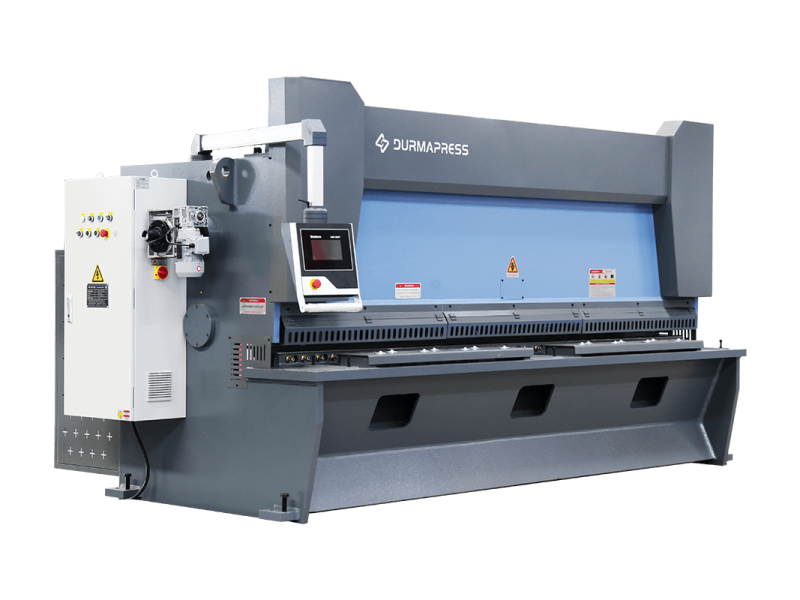
A hydraulic shearing machine is a metal cutting shear powered by a hydraulic system that drives the upper blade to move against a fixed lower blade, producing a clean, straight cut on sheet metal or plate materials. Compared with mechanical shears, hydraulic models offer smoother operation, adjustable cutting angles, and higher cutting accuracy.
As a primary sheet metal cutting machine in fabrication shops, hydraulic shears are widely used for processing carbon steel, stainless steel, aluminum, and other metal sheets. Their stable performance makes them essential equipment in industries such as construction, automotive manufacturing, HVAC, electrical cabinet production, and general metal fabrication.
Main Types of Hydraulic Shearing Machines
Understanding machine structure is the first step in selecting the right hydraulic shearing solution.
Swing Beam Hydraulic Shear
Swing beam shear machines use an arc-shaped blade movement. They feature a simpler structure and lower manufacturing cost, making them suitable for light to medium-duty sheet metal cutting. These machines are commonly chosen by small and mid-sized workshops that focus on thin to medium thickness materials.
Hydraulic Guillotine Shear
A guilhotina hidráulica uses vertical blade movement guided by linear rails. This design delivers higher rigidity, more uniform blade clearance, and superior cutting accuracy—especially for thicker plates. Guillotine shears typically support four-edge blades and precise gap adjustment, making them ideal as heavy duty hydraulic shear machines for industrial production.
CNC Hydraulic Shearing Machine
CNC hydraulic shearing machines integrate programmable control systems for back gauge positioning, cutting angle adjustment, and cutting sequences. They are designed for high-volume production lines where repeatability, automation, and operator efficiency are critical.
Key Hydraulic Shearing Machine Specifications Explained
Selecting the right hydraulic plate shear machine depends on understanding several core technical parameters.
Capacidade de corte
Cutting capacity defines the maximum thickness and width the machine can process. This specification is always based on material tensile strength, typically carbon steel. When cutting stainless steel or high-strength alloys, actual capacity decreases accordingly.
Always evaluate both sheet thickness and cutting length to ensure the steel plate shearing machine matches your production requirements.
Blade Length and Blade Clearance Adjustment
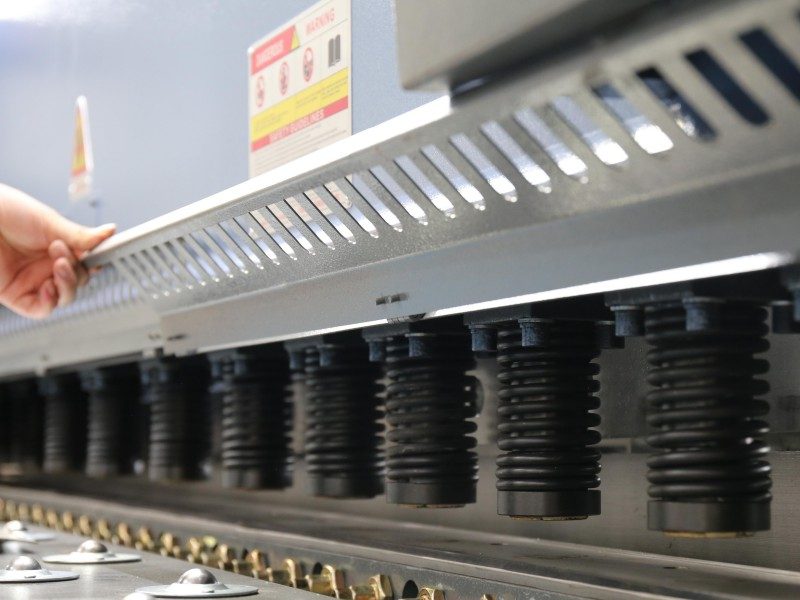
Blade length determines maximum cutting width, while blade clearance directly affects cut quality. Proper clearance reduces burr formation, minimizes blade wear, and improves edge finish.
Advanced hydraulic shearing machines allow manual or automatic blade gap adjustment, enabling operators to optimize performance for different material thicknesses.
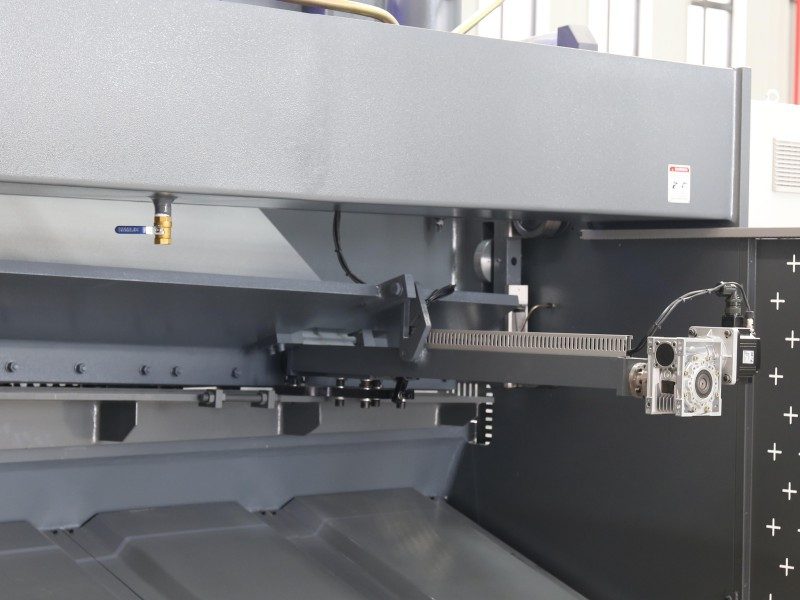
Back Gauge Range and Accuracy
The back gauge controls cutting length and repeatability. A longer back gauge range provides flexibility for larger sheets, while higher positioning accuracy improves consistency in batch production.
CNC hydraulic shearing machines typically offer programmable back gauge systems with precision ball screws and servo motors.

Motor Power and Hydraulic System
Motor power determines cutting force and operational stability. A well-designed hydraulic system ensures smooth blade movement, reduced vibration, and long service life.
High-quality industrial metal shear machines use integrated hydraulic manifolds and reliable sealing components to minimize leakage and maintenance requirements.

Control System (NC vs CNC)
NC systems provide basic back gauge control and manual parameter adjustment.
CNC systems enable full automation, storage of cutting programs, and integration with upstream or downstream equipment.
For factories aiming to increase throughput and reduce operator dependency, CNC control is a strategic upgrade.
How to Read a Hydraulic Shearing Machine Specification Sheet
Many buyers focus only on maximum thickness, but professional evaluation goes deeper:
- Compare rated capacity with actual material strength
- Check back gauge accuracy, not just travel distance
- Review blade material and usable cutting edges
- Confirm hydraulic components and electrical brands
- Understand optional configurations such as front support arms, pneumatic sheet supports, and shadow line lighting
Reading specification sheets correctly helps avoid underpowered machines or unnecessary overinvestment.
How to Choose the Right Sheet Metal Shearing Machine
Choosing the right sheet metal shearing machine depends on several practical factors.
- Production Volume
High-volume operations benefit from CNC hydraulic shearing machines with automated feeding and stacking.
- Material Thickness
Thin sheet processing may suit swing beam shear designs, while thick plate cutting requires hydraulic guillotine shear structures.
- Accuracy Requirements
Precision industries should prioritize rigid frames, CNC control, and high-accuracy back gauge systems.
- Automation Level
Consider future expansion. Investing in CNC today can reduce labor costs and improve scalability tomorrow.
- Factory Space
Machine footprint and material flow layout should match your workshop environment.
Typical Applications of Industrial Metal Shear Machines
Hydraulic shearing machines are widely used across multiple sectors:
- Sheet metal fabrication workshops
- HVAC duct production
- Automotive components manufacturing
- Construction steel processing
- Electrical enclosure fabrication
From light-gauge aluminum to heavy steel plates, hydraulic shears provide reliable cutting solutions for diverse industrial needs.
Common Mistakes When Selecting a Hydraulic Shear
- Choosing based on thickness alone without considering material type
- Ignoring blade quality and clearance adjustment
- Underestimating back gauge precision
- Overlooking future automation requirements
Avoiding these mistakes ensures better long-term performance and return on investment.
FAQ
Q1. What thickness can a hydraulic shearing machine cut?
Cutting capacity varies by model and material strength. Always verify specifications based on the actual metal type being processed.
Q2. What is the difference between swing beam and hydraulic guillotine shear?
Swing beam shears use arc motion and are suitable for lighter work, while hydraulic guillotine shears use vertical blade travel, offering higher rigidity and better performance on thick plates.
Q3. How often should shear blades be replaced?
Blade life depends on material type, thickness, and operating frequency. Regular inspection and timely rotation of cutting edges extend blade lifespan.
Q4. Is CNC necessary for a sheet metal shearing machine?
CNC is not mandatory for basic operations but significantly improves productivity, accuracy, and automation in modern fabrication environments.