Introduction
Hydraulic press brakes depend on a well-functioning hydraulic system to deliver consistent bending force and accuracy. When pressure drops, oil leaks, or the slider moves unevenly, production stops. This guide covers the most common hydraulic press brake problems — and exactly how to fix them.
This guide focuses on hydraulic systems used in press brake machines, not general hydraulic presses.
For problems involving the tooling, backgauge, mechanical components, or CNC control system, see our complete CNC press brake troubleshooting guide.
Hydraulic Press Brake Troubleshooting: Quick Fault Index
| Symptom | Likely Cause | Section |
|---|---|---|
| No pressure or low pressure | Relief valve blocked, motor direction wrong | Section 1↓ |
| Slider descends slowly or gets stuck | Low oil level, cylinder wear | Section 2↓ |
| Hydraulic oil leaking | Loose joints, damaged seals | Section 3↓ |
| Uneven bending on both sides | Worn die, non-parallel slider | Section 4↓ |
| Loud noise or electrical fault | Loose components, worn bearings, pump problems, or damaged wiring | Section 5↓ |
| Overheating or weak bending force | Blocked radiator, cooling failure, 4/2-way valve fault, or stuck filling valve | Section 6↓ |
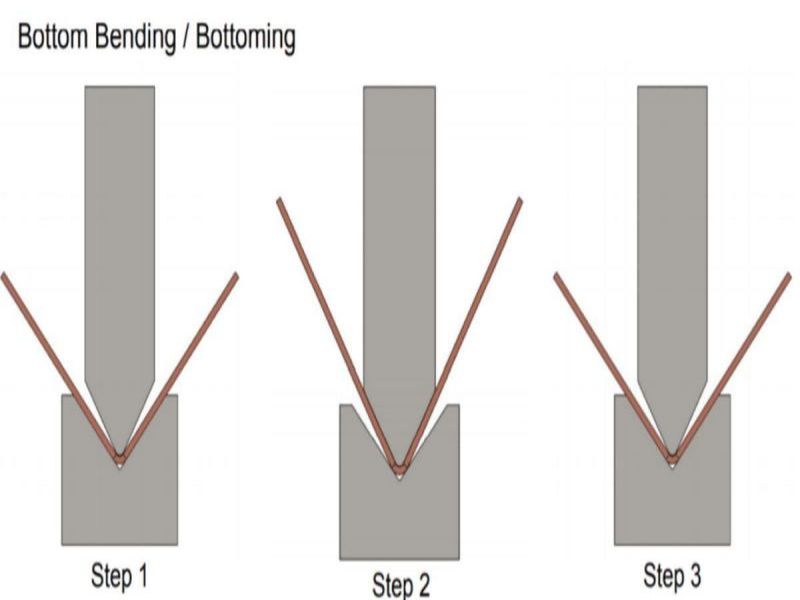
Hydraulic Press Brake Has No Pressure or Low Pressure
The hydraulic system cannot build or maintain sufficient pressure. The pressure gauge may remain below the normal operating range, and the press brake may move slowly, produce insufficient bending force, or stop operating. Common causes include incorrect pump rotation, a blocked valve, or internal leakage.
Possible cause analysis
- The forward and reverse directions of the motor and pump are set incorrectly, which may cause the system to fail to work properly, thus affecting the normal operation of the equipment.
- The valve core of the relief valve is blocked, which will affect the normal pressure regulation of the hydraulic system, causing the system to fail to work properly.
- The valve core of the solenoid valve is blocked by foreign matter, which will cause the solenoid valve to be unable to open or close normally, affecting the system's normal operation.
- There is a leakage problem inside the pressure control valve that cannot maintain the set pressure value, thus affecting the system's normal operation.
How to Fix Common Hydraulic Press Brake Problems
| Issue | Possible Cause | Quick Fix |
|---|---|---|
| No Pressure | Air in system / Relief valve clog | Bleed system / Clean valve core |
| Slow Operation | Contaminated fluid / Clogged filter | Replace oil / Clean filters |
| Abnormal Noise | Air bubbles / Pump wear | Bleed lines / Inspect bearings |
| Overheating | Low fluid / Poor ventilation | Top up oil / Check cooling |
Step-by-Step Guide: How to Fix a Hydraulic Press Brake with No Pressure
1. Safety First (Essential) Before any inspection, turn off the power, release all residual pressure, and wear protective gear.
2. Check Fluid Levels and Rotation
- Fluid Status: Ensure the hydraulic oil is at the recommended level. Low or dirty oil is the #1 cause of pressure loss.
- Motor Direction: Verify the rotation direction of the motor and pump. If it's reversed after a repair or power change, the system will not build pressure.
3. Valve System Deep Cleaning (Your original points)
- Relief Valve: Remove and thoroughly clean the relief valve core. Even tiny metal debris can block the pressure regulation function.
- Solenoid Valve: Clean the solenoid valve core to ensure it responds accurately to control signals and switches correctly.
- Pressure Control Valve: Conduct a detailed inspection of the control valve. Look for internal leakage points and replace seals if necessary.
4. Bleed the Air Air trapped in the hydraulic lines can cause "spongy" action or total pressure loss. Bleed the system slowly until the movement is smooth.
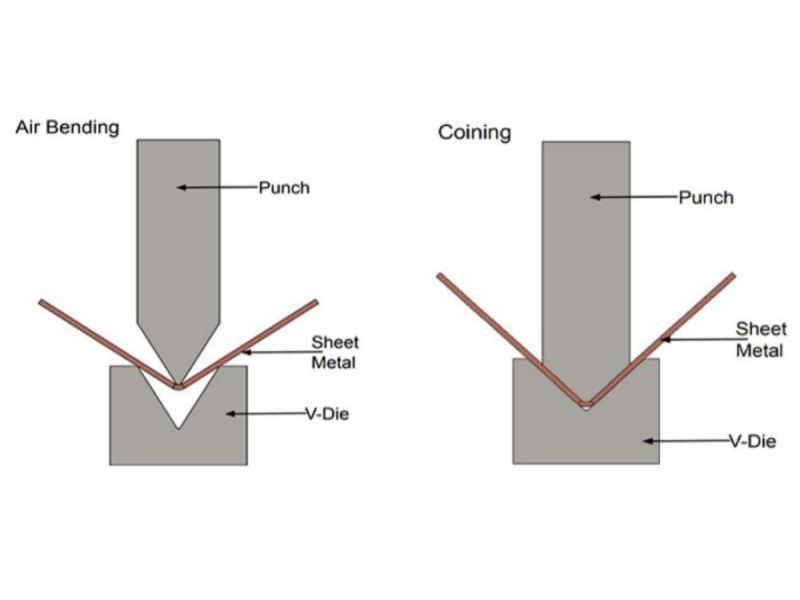
Press Brake Slider Descends Slowly or Gets Stuck
The slider descends slowly or is stuck.
Possible cause analysis
- Cylinder wear or damage: Worn cylinder seals may cause internal leakage, reducing the pressure available for slider movement.
- Guide rails are worn or not vertical: Wear or non-vertical installation of the guide rails may cause the slider to run unsmoothly.
- Low oil level in the oil tank: Insufficient hydraulic oil in the oil tank will affect the normal operation of the slider.Oil viscosity and contamination can also affect hydraulic flow and slider speed. Learn how to choose the correct hydraulic oil for a press brake.
- The rapid forward speed is too fast and the oil supply is insufficient: If the rapid forward speed is too fast, the oil supply of the hydraulic system may not be able to keep up.
- The filling valve is stuck or not fully open: Failure of the filling valve will affect the pressure and oil flow of the hydraulic system.
How to Fix a Slow or Stuck Press Brake Slider
- Check the oil cylinder: Check the condition of the oil cylinder regularly and replace or repair it if necessary.
- Check the guide rails: Ensure the verticality of the guide rails and lubricate and maintain them regularly.
- Check oil level: Maintain the proper level of hydraulic oil in the tank.
- Reduce the fast-down speed if necessary to maintain sufficient hydraulic oil flow.
- Clean the filling valve: Check and clean the filling valve regularly to ensure its normal operation.
Hydraulic Oil Leaking: Causes and How to Fix It
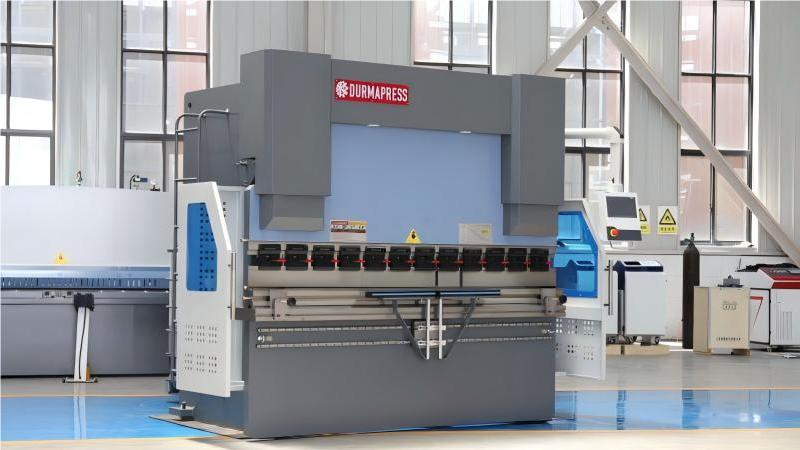
Oil leakage occurs in the hydraulic system.
Possible cause analysis
- Loose connecting screws and pipe joints: This will cause gaps in the connections, causing oil leakage.
- Damaged seals: Damaged seals will cause hydraulic oil to leak out from the gaps.
How to Fix Hydraulic Oil Leaks on a Press Brake
- Tighten screws and joints: Make sure all connections are tightened to avoid loosening.
- Replace seals: Damaged seals need to be replaced in time to prevent hydraulic oil leakage.
Press Brake Bending Uneven on Both Sides
Unbalanced bending on both sides.
Possible cause analysis
- Uneven tooling wear: Uneven wear of the punch or die can produce different bend angles on the two sides of the workpiece.If the punch or die is worn, damaged, or incorrectly matched to the material, review our press brake tooling selection guide before adjusting the hydraulic system.
- Non-parallel slider: Non-parallel slider will lead to uneven bending force, resulting in unbalanced bending.
How to Fix Uneven Bending on a Press Brake
- Inspect the punch and die for uneven wear, and confirm that the tooling is installed correctly.
- If the angle difference remains, check slider parallelism and the synchronization between the left and right sides. Follow the model-specific service procedure before adjusting the synchronization mechanism.If the problem is not caused by the hydraulic synchronization system, check these additional causes of press brake bending angle inaccuracy.
Hydraulic Pump Makes Abnormal Noise
Loud noise or electrical failure.
Possible cause analysis
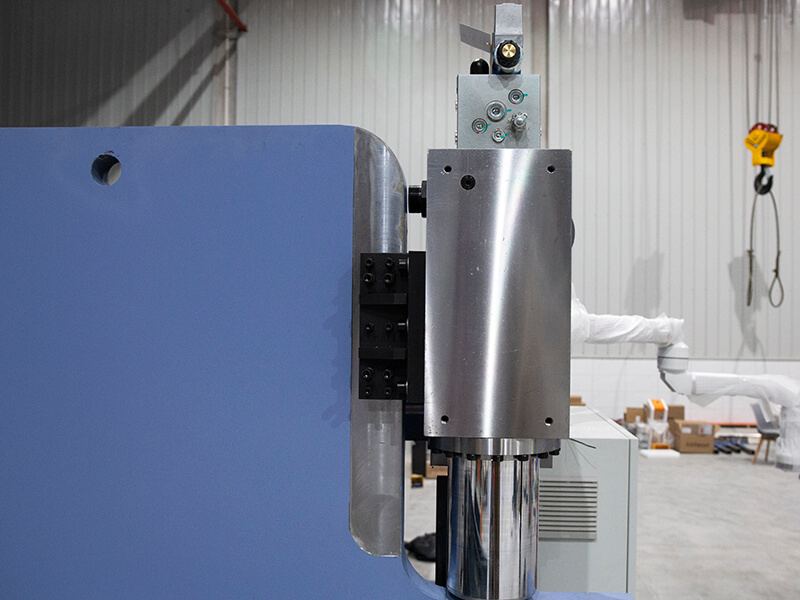
- Loose connections, worn bearings or damaged parts: These factors can cause noise when the equipment is running.
- Loose wiring, faulty sensors, damaged circuits: These electrical problems can cause electrical failures.
How to Fix Press Brake Noise and Electrical Problems
- For abnormal noise, inspect loose components, bearings, hydraulic oil level, pump suction conditions, and the pump-motor coupling. Tighten loose parts and replace worn components as necessary.
- For electrical faults, inspect the wiring, fuses, sensors, valve coils, and controller output. Replace damaged components only after confirming the source of the fault.
Press Brake Overheating or Weak Bending Force
Overheating or the slider cannot descend slowly and the bending force is weak.
Possible cause analysis
- Radiator blockage, cooling system failure: These factors can cause the equipment to overheat.
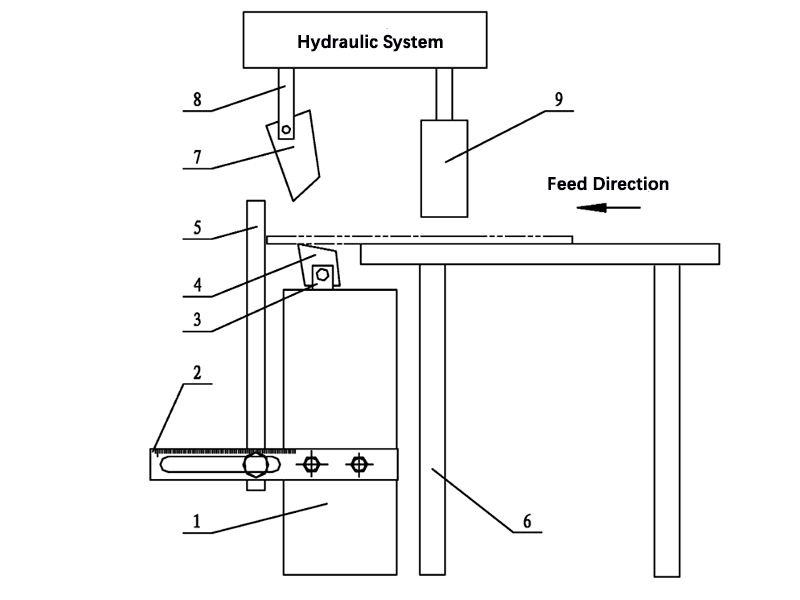
- 4/2-way valve failure, filling valve stuck: These hydraulic system problems will cause the slider to be unable to descend slowly and have weak bending force.
How to Fix Press Brake Overheating or Weak Bending Force
- Clean the radiator and repair the cooling system: Overheating problems can be solved by cleaning the radiator and repairing the cooling system.
- Check whether the 4/2-way valve receives the correct control signal and whether the filling valve is stuck. Clean or repair the valve only after confirming the cause according to the machine’s service manual.
Conclusão
Most hydraulic press brake problems can be identified by checking the pressure reading, hydraulic oil condition, valve response, slider movement, and visible leaks. Regular inspection of the hydraulic oil, seals, valves, cooling system, and electrical connections can help prevent unexpected downtime and maintain bending accuracy.Use our press brake maintenance checklist to organize daily, weekly, and scheduled inspections.
Proper maintenance prevents most of these faults before they stop production. If your prensa hidráulica requires frequent repairs or is no longer meeting precision requirements, it may be time to consider an upgrade.
FAQ
If the system builds pressure and then loses it, the most likely cause is internal leakage in the pressure control valve, cylinder seals, filling valve, or another hydraulic component. External leaks should also be inspected. A qualified technician should perform pressure testing before the valve, pump, or cylinder is repaired or replaced.
A hydraulic press brake may not build pressure when the hydraulic system cannot generate or maintain the required pressure. The most common causes are a blocked relief valve, incorrect pump rotation, low hydraulic oil level, air in the hydraulic lines, damaged seals, or internal leakage in hydraulic components.
Check the hydraulic oil level first, then inspect the pump direction, valves, and hydraulic connections. If pressure drops after the machine builds pressure, the problem is often related to internal leakage in valves or cylinders.
A slow or stuck slider may be caused by a low hydraulic oil level, insufficient oil flow, worn or misaligned guide rails, an excessive fast-down speed, a sticking filling valve, or internal leakage in the cylinder. Check the oil level, guide lubrication, speed setting, and filling valve before inspecting or repairing the cylinder.
Uneven bending can result from worn punch or die surfaces, incorrect tooling installation, a non-parallel slider, unequal cylinder pressure, or a synchronization problem between the left and right sides. Inspect the tooling first, then check slider parallelism and synchronization according to the machine’s service manual.
The most common hydraulic press brake problems include low or unstable hydraulic pressure, slow or stuck ram movement, hydraulic oil leaks, uneven bending results, abnormal pump noise, and overheating or weak bending force.
These problems are usually caused by issues such as low hydraulic oil levels, contaminated oil, blocked valves, worn seals, pump failures, cooling system problems, or incorrect hydraulic system adjustments. Regular inspection of hydraulic oil, valves, seals, cylinders, and cooling components can help prevent unexpected downtime and maintain bending accuracy.
Sobre nós
A Durmapress é especializada na conceção, fabrico e venda de vários equipamentos de processamento de metal, incluindo máquinas de dobragem, tesouras, punções, máquinas de corte a laser, etc. A empresa foi fundada em 2000. Com anos de experiência e acumulação de tecnologia. DurmaPress tornou-se uma das marcas bem conhecidas na indústria de máquinas de processamento de metal da China.
Contate-nos
Publicações recentes
Categorias
Siga-nos
Novo vídeo semanal
Contacte-nos para mais informações
Se tiver alguma informação sobre os nossos produtos, contacte-nos e responderemos no prazo de 24 horas.