О нас
Durmapress specializes in designing, manufacturing, and selling various metal processing equipment, including bending machines, shears, punches, and laser cutting machines. The company was founded in 2014, with years of experience and technology accumulation. DurmaPress has become one of the well-known brands in China's metal processing machinery industry.
Свяжитесь с нами
Последние сообщения
Категории
Следуйте за нами
Еженедельное новое видео
Оглавление
1. Introduction
Aluminum is one of the most widely used metals in modern manufacturing. Thanks to its lightweight structure, corrosion resistance, and excellent strength-to-weight ratio, it appears in automotive parts, aerospace components, electronics, signage, construction panels, and machinery.
But aluminum is not the easiest metal to cut. It reflects laser energy and conducts heat very quickly, so efficient cutting depends on more than just raising the laser power. The right laser source, power level, assist gas, cutting parameters, and machine stability all work together to decide your final edge quality.
This guide explains how laser cutting aluminum actually works, what affects cutting thickness and speed, and how to choose the right станок для лазерной резки волокна for stable, high-quality production.
2. What Is Laser Cutting Aluminum?
Laser cutting aluminum is a CNC-controlled thermal cutting process. A focused laser beam heats and melts the aluminum along a programmed cutting path, while an assist gas blows the molten material out of the cut, leaving a clean kerf.
Because the process is CNC-driven, it can repeatedly produce complex shapes from flat sheets and plates. Depending on machine configuration, it can also handle tubes and some formed aluminum parts. The result is high precision, low material waste, and parts that often need little or no secondary finishing.
3. Why Aluminum Is Harder to Laser Cut Than Carbon Steel
Many guides simply say aluminum is "difficult to cut." Here is why that happens at the physical level — and what it means for your machine choice.
3.1 High Reflectivity
Aluminum reflects more laser energy than carbon steel. This is especially problematic for CO2 lasers. Modern fiber lasers with proper anti-reflection protection handle aluminum far more safely and efficiently.
3.2 High Thermal Conductivity
Aluminum pulls heat away from the cutting zone very quickly. If your power, speed, and focus are not matched correctly, you risk incomplete cuts, dross, or unstable edges.
3.3 Oxide Layer and Surface Condition
Aluminum oxide and anodized surfaces have different optical properties from the bare metal and can affect cutting stability. Clean, flat, well-prepared material gives the most consistent results.
4. Can Fiber Lasers Cut Aluminum?
Yes — and for industrial metal fabrication, fiber lasers are usually the best tool for the job. They offer high beam quality, high energy efficiency, fast cutting speeds, and much better compatibility with reflective metals.
A single fiber laser cutting machine can also process aluminum, stainless steel, carbon steel, brass, and copper, which makes it a flexible investment for fabrication shops working with mixed materials.
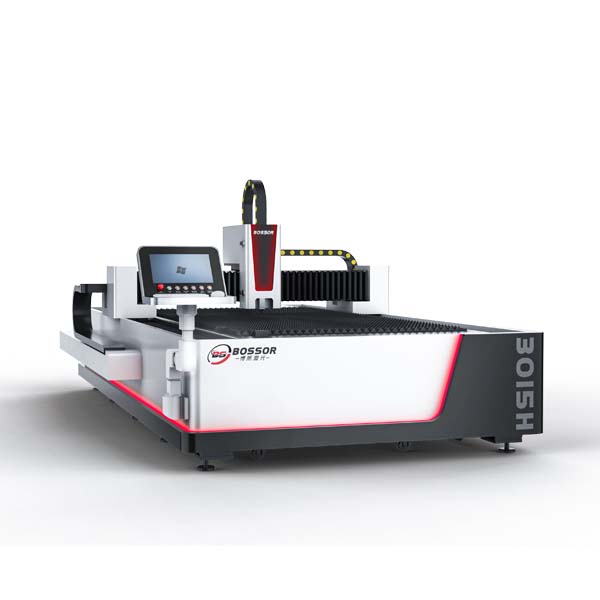
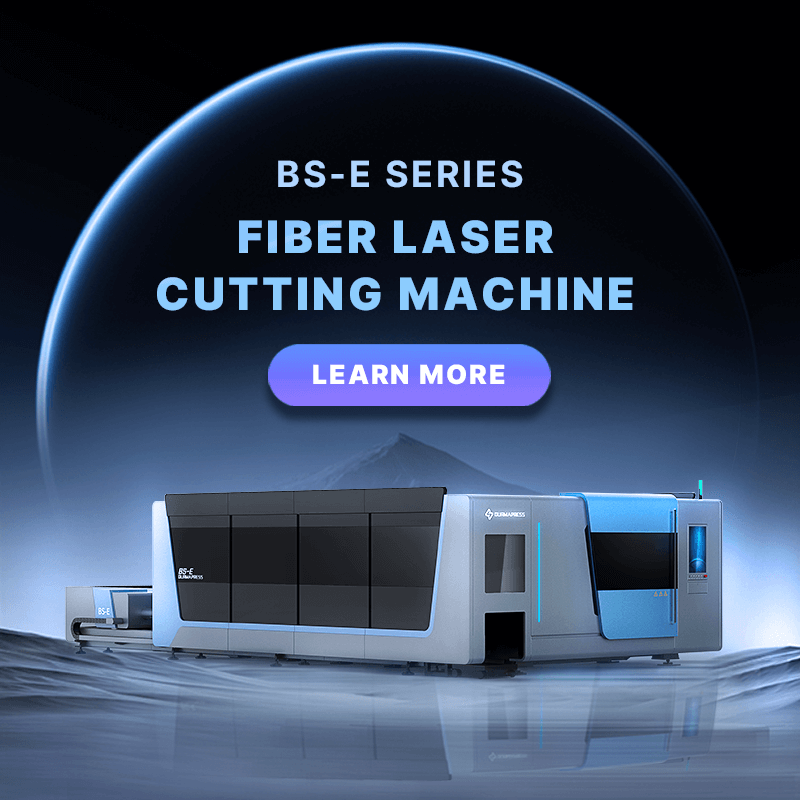
Durmapress fiber laser cutting machines can be configured with different power levels to match your aluminum thickness range, production volume, and cutting quality requirements — so the machine fits your workload instead of forcing you to work around its limits.
5. Fiber Laser vs CO2 Laser for Cutting Aluminum
| Factor | Волоконный лазер | CO2 Laser |
|---|---|---|
| Aluminum cutting performance | Excellent for thin to thick aluminum, including high-power applications | More limited due to reflectivity |
| Energy efficiency | Higher | Lower |
| Техническое обслуживание | Lower, no cutting optics path to align | More optical maintenance |
| Cutting speed on metal | Быстрее | Slower for many metal jobs |
| Best use | Industrial metal fabrication | Non-metal and some thin metal work |
For most metal fabrication businesses, fiber laser cutting machines are the preferred choice for aluminum: better efficiency, lower maintenance, and stronger performance on reflective metal.
6. How Thick Can You Laser Cut Aluminum?
There is no single fixed number. Achievable thickness depends on laser power, aluminum alloy, assist gas, cutting speed, machine rigidity, and the edge quality you need.
6.1 Thin Aluminum Sheets
Thin aluminum sheets are the easiest to cut at high speed — ideal for signage, electronics enclosures, and cabinets, where the focus is speed, clean edges, and minimal distortion.
6.2 Medium Aluminum Plates
Medium aluminum plates are common in machinery, automotive, and structural components. They need stable power delivery and accurate gas control.
6.3 Thick Aluminum Plates
Thick aluminum plates require high-power fiber laser systems. Here, cutting quality depends heavily on power, focus position, gas pressure, and material grade.
A practical rule: higher power widens your thickness range and increases speed, but the actual limit always depends on your machine configuration and material requirements. For an exact capability chart matched to your plates, ask the Durmapress engineering team.
7. How Much Laser Power Is Needed to Cut Aluminum?
Power should be selected based on thickness, target speed, edge quality, and production volume — not on price alone.
- Low to medium power suits thin aluminum sheets and detailed parts.
- Medium to high power suits thicker plates and higher daily output.
- Ultra-high power suits heavy-duty industrial production where thick-plate cutting speed drives profitability.
More power allows faster cutting and greater thickness capacity. But power without correctly matched parameters causes a wider kerf, rough edges, and spatter. The goal is balance, not just maximum wattage.
If you tell Durmapress your aluminum thickness range, daily production target, and required edge quality, our engineers can recommend a suitable power configuration.
8. Best Assist Gas for Laser Cutting Aluminum
The assist gas has a direct impact on edge quality and operating cost.
8.1 Nitrogen Cutting
Nitrogen prevents oxidation and produces clean, bright edges. It is the usual choice when aluminum parts need a high-quality, oxide-free finish.
8.2 Air Cutting
Air lowers operating cost and works for general production, though the edge may not be as clean as nitrogen depending on your standards.
8.3 Oxygen Cutting
Oxygen is less commonly preferred for aluminum when bright, oxide-free edges are required, since it can increase oxidation and discoloration.
In short: choose nitrogen when edge quality matters most, and consider air when cost-per-part is the priority.
9. Common Aluminum Grades for Laser Cutting
- 5052 — good corrosion resistance, common in sheet metal fabrication, cuts well.
- 5083 — strong and corrosion-resistant, used in marine, transport, and structural work.
- 6061 — a popular structural alloy; cuts well but may need optimized parameters for the best edge.
- 7075 — high strength and harder; more challenging, often needing higher power or slower speed.
Knowing your alloy in advance helps set the right parameters and avoids trial-and-error waste.
10. Benefits of Laser Cutting Aluminum
- High precision and repeatability
- Fast processing speed
- Non-contact cutting (no tool wear marks on the surface)
- Minimal material waste
- Ability to cut complex shapes and fine features
- Suitable for batch production and automated lines
- Reduced need for secondary processing when parameters are optimized
These benefits are only as good as the machine producing them. A rigid frame, accurate motion system, reliable laser source, and intelligent CNC control are what turn these advantages into consistent, real-world output — and they are exactly what Durmapress builds into its machines.
11. Challenges and Solutions in Laser Cutting Aluminum
| Challenge | Cause | Решение |
|---|---|---|
| Reflection | Aluminum reflects laser energy | Use a fiber laser with anti-reflection protection |
| Dross or burrs | Wrong speed, power, focus, or gas pressure | Optimize parameters and check nozzle condition |
| Warping | Excessive heat input on thin sheets | Increase speed and use proper support |
| Rough edges | Poor parameter matching or unsuitable alloy | Adjust focus, power, gas, and speed |
| Incomplete cutting | Insufficient power or too-fast speed | Increase power or reduce cutting speed |
12. Best Practices for Laser Cutting Aluminum
- Clean the aluminum surface before cutting.
- Choose the correct alloy for the application.
- Select laser power based on thickness.
- Use nitrogen when you need clean, bright edges.
- Optimize focus position, cutting speed, and gas pressure.
- Secure the material firmly on the cutting table.
- Cut internal features before external contours.
- Maintain lenses, nozzles, protective windows, and gas lines.
- Run a parameter test before mass production
13. How to Choose a Fiber Laser Cutting Machine for Aluminum
13.1 Confirm Your Aluminum Thickness Range
List the thinnest and thickest plates you cut today — and plan for future growth.
13.2 Choose the Right Laser Power
Balance thickness capacity, speed, electricity consumption, and production goals. Don't buy on price alone.
13.3 Check Machine Stability
A rigid frame and stable motion system keep cutting accuracy and repeatability high over years of use.
13.4 Evaluate CNC Control and Automation Options
Auto-focusing cutting head, exchange table, tube-cutting option, and loading/unloading systems all affect productivity.
13.5 Consider After-Sales Support
Installation, operator training, spare parts supply, and remote technical support protect your investment long after purchase.
14. Applications of Laser-Cut Aluminum Parts
- Automotive components
- Aerospace and transportation
- Electrical cabinets and enclosures
- Advertising and signage
- Kitchenware and home appliances
- Construction and architectural panels
- Machinery manufacturing
- Marine and outdoor equipment
15. Frequently Asked Questions
Q1:Is aluminum difficult to laser cut?
A:It is more challenging than carbon steel because it is reflective and conducts heat quickly. With the right fiber laser machine and optimized parameters, it cuts efficiently and cleanly.
Q2:What is the best laser for cutting aluminum?
A:For industrial fabrication, fiber laser cutting machines are usually best — high efficiency, strong beam quality, and better performance on reflective metal.
Q3:What gas is best for laser cutting aluminum?
A:Nitrogen, when you need clean, bright, oxidation-free edges.
Q4:Can aluminum thicker than 10 mm be laser cut?
Yes, with suitable fiber laser power and optimized parameters. The exact result depends on machine configuration, alloy, and quality requirements.
Q5:Does laser cutting aluminum leave burrs?
A:It can if parameters aren't optimized. Correct speed, focus, gas pressure, nozzle condition, and material prep reduce burrs and improve edge quality.
16. Why Choose Durmapress Fiber Laser Cutting Machines for Aluminum
Durmapress designs and manufactures industrial fiber laser cutting machines for sheet metal fabrication. Each machine can be configured for different aluminum thicknesses and production needs, and can also cut stainless steel, carbon steel, brass, and copper.
Our technical team supports you across the whole journey — machine selection, installation, operator training, and after-sales service — and helps you choose the right power, bed size, cutting head, CNC system, and automation options.
If you need to cut aluminum sheets or plates with high precision and stable production quality, связаться с the Durmapress team. Our engineers will recommend a fiber laser cutting machine based on your material thickness, production volume, and application requirements.
Stay Updated on Industrial Innovations
Subscribe to our newsletter for the latest insights on manufacturing technology, sustainability, and industry trends.